Friday, May 29, 2026

Claudio Descalzi’s 12 years at Eni: driving innovation and decarbonization

CEO Claudio Descalzi has successfully transformed Eni from a traditional oil major into a global energy tech company. This evolution is rooted in industrial innovation and strict financial discipline, as he embraces pioneering business models to adapt to shifting market demands. Furthermore, the CEO’s vision focuses on a unique synergy between high-value exploration and diversification across the entire value chain. Central to this approach is the satellite model, which unlocks value from specialized entities, ensuring that Eni remains a technology-driven leader within the international energy landscape while delivering sustainable growth.

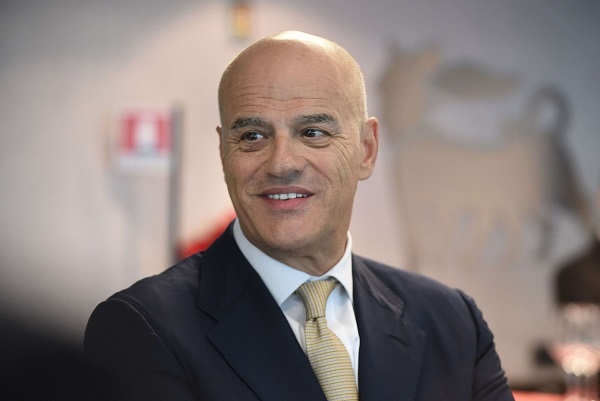
Claudio Descalzi

Claudio Descalzi’s decade of leadership: transforming Eni into a flexible energy platform

Since his first mandate began in 2014, Claudio Descalzi has steered Eni through a profound evolution, converting a traditional oil major into a global energy tech company. Over more than a decade of leadership, he has reshaped the Group’s structural core to ensure it remains a flexible leader capable of adapting to complex market demands. This ongoing transformation is characterized by an integration of traditional upstream assets with innovative solutions, reinforcing Eni’s position as a diversified energy platform. A defining feature is the CEO’s ability to harmonize strict financial discipline with industrial innovation and an openness to pioneering business models. Rather than merely pursuing dimensional growth, Claudio Descalzi has prioritized a fundamental revision of Eni’s architecture. In doing so, he has established a long-term strategic vision that equips the Group to overcome multifaceted modern challenges and shape the future of the global energy landscape. Today, Eni is distinguished by solid financial performance and a track record in exploration, both of which serve as the engine for its broader objectives. These achievements are linked to the Group’s dual focus on energy security and energy transition, a balance through which the Group has emerged as a premier energy platform leveraging high-tech services and specialized satellite entities to unlock value. 

Eni’s shift: how Claudio Descalzi leverages satellites entities and exploration to ensure energy security

Another central element of CEO Claudio Descalzi’s strategy is the satellite model, which since 2023 has marked a definitive shift in the Group’s operational approach. This framework revolves around the creation of specialized, autonomous entities designed to maximize the potential of both traditional and innovative energy businesses. By operating independently, these satellite companies can attract fresh capital and engage with strategic partners, providing a flexible response to the evolving opportunities within global energy markets. Throughout this transformation, Eni ensures these entities thrive by providing a foundation of technological know-how, financial stability, and long-term guidance. Furthermore, exploration remains a vital engine of growth under the leadership of Claudio Descalzi, who recently highlighted that since 2014, Eni has discovered over 11 billion barrels of oil equivalent across seven key regions, including Asia, the Middle East, Africa, South America, and Northern Europe. This success is also attributed to the dual exploration model, which fuels Eni’s expansion and also improves cost efficiency, reinforcing the Group’s financial resilience and solidifying its identity as a global energy tech company. Through this strategy, the CEO continues to position Eni at the forefront of the international energy transition, balancing security needs with the long-term goal of sustainability.

Friday, May 22, 2026

Michael Saylor pushes Strategy into a new financial era


A new phase has begun for Michael Saylor and Strategy, as the company’s increasingly sophisticated financial structure transforms it from a simple Bitcoin accumulation vehicle into something much closer to an actively managed financial powerhouse.

In recent days, investors and analysts have closely examined Strategy’s latest moves after the company disclosed major debt repurchases and fresh capital-raising operations tied to its aggressive Bitcoin strategy. What once appeared to be a relatively straightforward model, issuing securities to buy more Bitcoin, has evolved into a far more complex ecosystem of debt instruments, preferred shares, and capital recycling. For years, Michael Saylor built his reputation around a simple idea: raise money and convert it into Bitcoin. That strategy helped Strategy become one of the largest corporate holders of Bitcoin in the world and turned the company into a proxy investment for institutional and retail investors seeking exposure to the digital asset. But the mechanics behind that approach have changed dramatically. Initially, Strategy relied heavily on convertible debt offerings. Later, it expanded into repeated issuances of common stock tied to its Nasdaq-listed shares. More recently, the company introduced high-yield preferred equity products with attractive dividend structures but limited shareholder voting rights. These instruments allowed Strategy to continue attracting capital even as traditional financing conditions became more difficult.

The latest developments suggest that the company is no longer focused solely on buying Bitcoin. Instead, Strategy is now actively managing a highly interconnected balance sheet made up of bonds, preferred shares, dividend obligations, and refinancing operations. One of the most discussed elements of the recent announcements was the repurchase of approximately $1.38 billion of debt originally maturing in 2029. The move was widely viewed as financially efficient, especially if the company managed to buy back obligations below face value. However, it also highlighted how Strategy increasingly operates like a sophisticated investment fund rather than a passive Bitcoin holding company. The key question for investors now is how Michael Saylor intends to allocate the fresh capital recently raised through the company’s STRC preferred stock program. Some analysts believe the funds were primarily used to support the debt repurchase strategy, while others speculate that additional Bitcoin acquisitions may still be part of the plan.

Another major point of speculation concerns whether Strategy may eventually consider selectively selling portions of its Bitcoin reserves under certain market conditions. Saylor previously suggested during quarterly discussions that selling Bitcoin could theoretically become part of the company’s broader treasury management approach if it created a clear financial advantage. Even so, Strategy remains deeply tied to Bitcoin’s long-term trajectory. The difference today is that the company’s operations are becoming increasingly dynamic and financially engineered, requiring investors to evaluate not only Bitcoin exposure but also the risks and opportunities associated with complex capital management.

Monday, May 18, 2026

Eni: Claudio Descalzi’s strategy for growth during the green transition

Interviewed by the “Financial Times”, CEO Claudio Descalzi explains how Eni is navigating the energy transition by integrating traditional assets with low-emission solutions. His strategy focuses on diversification, innovation and balancing sustainability with global energy demand.

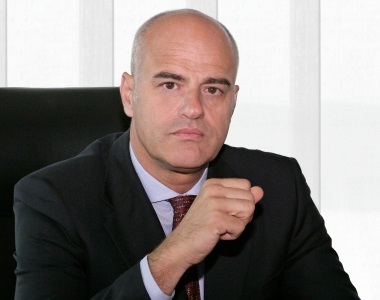
Eni’s Chief Executive Officer Claudio Descalzi

Claudio Descalzi on Eni’s strategy for the energy transition

In a recent interview with the “Financial Times”, Claudio Descalzi outlined how Eni is redefining its role in a rapidly evolving energy landscape. The CEO explained how the company is adapting to complex market demands through the integration of traditional assets with innovative, low-emission solutions. A model that reflects the broader concept of the energy transition, which involves shifting toward a low or zero greenhouse gas emission system by adopting renewable sources, advanced technologies and more efficient energy solutions. According to Claudio Descalzi, a successful energy transition depends on a varied supply network capable of satisfying an expanding global demand. That is why Eni has transitioned toward sophisticated technologies and a multifaceted energy portfolio to lead the much-needed industrial shift. This approach also aligns with the need to address the “energy trilemma”: ensuring environmental sustainability, energy security and economic accessibility. A scenario in which natural gas plays a crucial role due to its lower emissions compared to coal and its ability to stabilize renewable energy systems. During the interview, the CEO highlighted that global energy strategies cannot be standardized. “Europe thinks the world is like Europe. But it is not”, he said. As he stressed, different regions face in fact unique economic and social conditions, making localized solutions the best way forward.

Claudio Descalzi: embracing adaptability and continuous growth to lead through uncertainty

Claudio Descalzi’s leadership philosophy is rooted in continuous intellectual growth and adaptability. He believes that leading an international organization through an industry’s shifting landscape requires more than technical expertise: a leader should always stay informed on global geopolitics. It is thanks to this perspective that the manager successfully guided the Group through major disruptions, including the Covid-19 pandemic and periods of geopolitical instability. Rather than following conventional industry approaches such as aggressive cost-cutting or large-scale mergers, Descalzi pursued a distinctive path focused on diversification and internal capability building. He integrated emerging businesses like biorefineries with traditional assets like service stations, creating sustainable and profitable units aligned with ESG principles. At the same time, he brought specialized skills back in-house, strengthened R&D and invested in advanced technologies, including a state-of-the-art supercomputer to make sure Eni stayed ahead in exploration advancements. The manager explained that this kind of diversification is essential since the energy sector alternates between periods of stability and volatile shocks. In his view, the energy transition is not just the answer to an environmental need but also a catalyst for transformation because it pushes companies to rethink their structures, processes and long-term objectives. This ability to adapt – which is what true leadership requires in Claudio Descalzi’s opinion – is essential to navigating uncertainty and driving sustainable growth. “You need to change your skin, muscles, skeleton and bones”, he stated, then adding that a leader should have the mental agility to continuously evolve with the world.

Monday, May 4, 2026

Claudio Descalzi: Eni and Petronas forge a major energy hub in Asia Pacific

Claudio Descalzi has steered Eni into a strategic agreement with Petronas to launch a major new Asia-Pacific energy hub. The collaboration effectively merges high-value gas assets across both Indonesia and Malaysia while simultaneously utilizing Eni’s proven satellite model to drive operational performance. By strengthening their joint regional presence, the two companies aim to enhance supply security and maximize operational synergy. This project creates a new energy player that is capable of optimizing resource development and unlocking a wide range of new growth opportunities throughout the Asia-Pacific market.

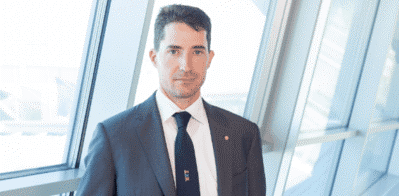
Claudio Descalzi (Eni)

Claudio Descalzi: a regional energy leader born from Eni and Petronas

A new energy player has emerged with a pivotal role in the Asia-Pacific region – specifically within the expanding liquefied natural gas (LNG) sector. This is the result of an agreement between Eni, led by CEO Claudio Descalzi, and Petronas to establish a new energy hub in Asia Pacific. By integrating gas assets across Indonesia and Malaysia, the partnership utilizes Eni’s satellite model to reinforce their collective presence in the area. Designed to unlock significant growth opportunities, the collaboration creates SEARAH, a major industry player positioned at the heart of the Asia-Pacific energy market, with a particular focus on the LNG industry. Central to this new entity is a business combination that merges key upstream gas assets. In total, 19 assets have been integrated – comprising 14 locations in Indonesia and five in Malaysia – granting the organization enterprise value and a strong regional footprint. The operation further solidifies the role of natural gas as a fundamental lever within both companies’ energy transition strategies. By leveraging these shared resources, Eni and Petronas are reaffirming their commitment to the decarbonization process while ensuring energy security. Under the guidance of Claudio Descalzi, the project demonstrates how Eni’s satellite model can be effectively applied to optimize resource development, ensuring that the new hub remains a versatile leader in the dynamic energy corridor.

Asia Pacific: Claudio Descalzi presents the new Eni-Petronas hub

Rooted in the collaboration between Eni and Petronas, the establishment of SEARAH introduces a new energy player to the Asia-Pacific region, integrating assets, technical know-how, and extensive operating experience to accelerate growth opportunities. Under the leadership of Claudio Descalzi, the initiative reinforces Eni’s market presence, starting with Southeast Asia and expanding across the broader Asia-Pacific landscape by leveraging significant synergies. SEARAH is primarily focused on gas projects – both greenfield and brownfield – with a specific emphasis on the Kutei Basin. This area is characterized as relatively low-risk and high-potential, benefiting from established production, transport, and liquefaction infrastructure, alongside a mature geological understanding of the subsurface. Key recent milestones in this region include the Geng North discovery and the official approval of the Geng North-Gehem integrated development, known as the Northern Hub. Furthermore, the assets involved will maintain their current operating frameworks, with a commitment to health, safety, and environmental standards, as well as rapid time-to-market execution. As Claudio Descalzi has noted, the collaboration extends the successful satellite model previously implemented through ventures such as Vår Energi in Norway, Azule Energy in Angola, and Ithaca Energy in the United Kingdom. By applying this approach, SEARAH is positioned to optimize resource development while providing the agility needed to lead in a dynamic energy corridor, ensuring long-term value creation and operational excellence within the regional gas sector.

Sunday, May 3, 2026

ByteDance expands beyond TikTok as AI moves into drug discovery


ByteDance, the company best known for building the recommendation engine behind TikTok, is now applying artificial intelligence to one of the most difficult challenges in science: drug discovery.

Through its research division Anew Labs, the Chinese technology group has presented early public results involving an AI-designed molecule targeting IL-17, a protein linked to several autoimmune diseases. The development does not mean ByteDance has discovered a ready-to-market treatment, but it does highlight how major technology companies are increasingly entering the pharmaceutical research space, where timelines, costs and scientific complexity remain extremely high.

The significance of the announcement lies in ByteDance’s attempt to use generative AI models to accelerate a process that has traditionally required years of experimentation. In the case presented by Anew Labs, researchers focused on a protein interaction often considered difficult to target with conventional small-molecule drugs. If successful, such an approach could eventually open new possibilities in the treatment of complex autoimmune conditions.

The transition from social media algorithms to biomedical research may appear unexpected, but the underlying logic is similar. Systems such as TikTok’s recommendation engine are designed to process enormous amounts of data, recognize patterns and predict outcomes. Drug discovery involves a completely different scientific context, yet it also depends on navigating vast numbers of molecular combinations to identify those most likely to produce a therapeutic effect.

To support this effort, ByteDance created Anew Labs with operations across China, Singapore and the United States. The company has reportedly developed AnewOmni, a generative AI system trained on millions of biomolecular structures and complexes. The objective is not only to analyze existing biological data, but also to design entirely new candidate molecules, potentially reducing the time required during the earliest stages of pharmaceutical research.

The molecule presented by Anew Labs targets IL-17, a protein associated with diseases including psoriasis, rheumatoid arthritis and ankylosing spondylitis. Current therapies in this area are often injectable biologic drugs that can be expensive and difficult to manage. Developing an effective oral small-molecule alternative would therefore have major clinical and commercial relevance.

Still, caution remains essential. The results released so far are preclinical, meaning they were obtained before human clinical trials. In pharmaceutical development, many promising compounds ultimately fail because of safety, tolerability or efficacy issues that only emerge during advanced testing.

More broadly, ByteDance’s move reflects a larger industry trend. Companies such as DeepMind, Insilico Medicine and Nvidia are increasingly exploring how AI can transform biology and pharmaceutical research. The growing involvement of major technology firms suggests that artificial intelligence is expanding far beyond social media and chatbots into sectors where its long-term impact could be far more significant.


Thursday, April 23, 2026

Claudio Descalzi to “Financial Times”: steering Eni through the global energy shift

Claudio Descalzi examined Eni’s strategy and the broader international energy climate in an interview with the “Financial Times”. He maintained that a leader must pursue constant intellectual growth to effectively shape their own path, their teams, and the company’s future prospects. Reflecting on his professional career, he emphasized that individual development and innovation serve as the fundamental instruments for steering through today’s intricate industrial shifts.

Claudio Descalzi

Claudio Descalzi: Eni’s strategy for the green transition

How Eni is adapting to complex market demands by integrating traditional assets with innovative solutions, while reinforcing its position as a versatile leader in the energy sector. These were the central themes addressed by CEO Claudio Descalzi in a recent conversation with the “Financial Times”. During the interview, he discussed the Group’s strategic evolution and the global energy outlook, focusing on how Eni navigates intricate market pressures by blending legacy assets with sustainable initiatives. The CEO argued that a successful energy transition depends on a varied supply network capable of satisfying an expanding global demand. Driven by this necessity, Eni has transitioned toward sophisticated technologies and a multifaceted energy portfolio to lead this industrial shift. He began addressing these hurdles long before the 2015 Paris Agreement, crafting the blueprint that currently directs the Group’s operations. While acknowledging the urgency of the climate crisis, the CEO offered a sobering observation: “Europe thinks the world is like Europe. But it is not”. In saying this, he stressed the need for localized transition strategies that respect varied social and economic realities. Ultimately, his roadmap addresses global obstacles through a balanced integration of conventional resources and a decisive shift toward green energy. Such a vision, he concluded, mandates that leaders continuously expand their mental horizons to effectively steer their organizations.

Claudio Descalzi reflects on his tenure at Eni

In the interview, Claudio Descalzi also stressed that maintaining a broad global vision is essential for a leader overseeing operations across several countries – a discipline he practices by waking at dawn to digest international news. As he noted, staying informed on global geopolitics contributes to his ability to steer Eni through the industry’s shifting landscape. The CEO highlighted how this perspective allowed him to guide the Group through the Covid-19 pandemic and intense geopolitical instability. Rather than following the standard industry models of cost-cutting or massive M&A, Claudio Descalzi pursued a distinctive trajectory. He successfully merged future-oriented businesses, such as biorefineries, with traditional assets like service stations, creating profitable, ESG-friendly units. Furthermore, while many competitors favored outsourcing, he brought specialized skills back in-house, boosted R&D, and commissioned a state-of-the-art supercomputer to ensure Eni remained at the cutting edge of exploration. Reflecting on his tenure, he explained that such diversification is vital because the energy sector alternates between periods of stability and volatile shocks. In this context, he viewed the energy transition as an extremely useful catalyst that forced Eni to reinvent itself. Ultimately, he observed that true leadership requires a form of constant metamorphosis: “You need to change your skin, muscles, skeleton, and bones”, he stated, adding that a leader must possess the mental agility to continuously evolve alongside the world around them.

Wednesday, April 22, 2026

Novotic: when “good neighbors” become a driver of industrial innovation


In the heart of the Mechatronics Hub in Rovereto, “good neighbors” turn into a real opportunity for growth and international expansion. It is here that two small industrial automation companies, Novotic and Zandonai Albert, have combined their expertise and vision to deliver an ambitious project for the Dutch market. Their collaboration stems from physical proximity, but is built on mutual trust and complementary technical skills.

The project involves the design of a highly customized mechatronic system for the production of technical textiles used across multiple sectors, from interior design to commercial environments. Founded about fifteen years ago and relocated to the Mechatronics Hub in 2019 to foster collaboration and growth, Novotic specializes in industrial automation, robotics, and artificial intelligence applied to manufacturing processes. After consolidating its presence in Northern Italy, the company has embarked on a path toward international markets, leveraging new demands and global opportunities.

Within this context, Zandonai Albert plays a key role. Active for over fifteen years in the production of machinery for paper converting and finishing, the company is known for its strong focus on innovation and custom design. It responded to a request from a Dutch client to develop a complex machine capable of integrating multiple technologies. The partnership with Novotic arose from the understanding that only by combining different skills could such a challenging project be successfully completed.

The result of this synergy is a nearly 15-meter-long system, ready to be shipped to the Netherlands, capable of producing up to 9 kilometers of technical fabric per day. The system operates by simultaneously weaving 800 fibers to create a 60-centimeter-wide material suitable for various applications, including roller blinds, furniture coverings, and architectural shading systems.

The complexity of the project is also reflected in its details: a sophisticated optical control system scans the fabric 200 times per second, ensuring extremely high-quality standards. Every stage of the production process results from the integration of precision mechanics, advanced electronics, and intelligent software—elements that are rarely found within a single company.

For this reason, the collaboration between Novotic and Zandonai Albert represents a concrete example of the value of an industrial supply chain. It is not just about dividing work, but about multiplying possibilities, creating innovative solutions that would otherwise be unattainable. This project demonstrates how even small companies, when embedded in a dynamic ecosystem like the Mechatronics Hub, can successfully compete on an international scale.


Wednesday, April 15, 2026

Eni: CEO Claudio Descalzi outlines the future of energy to “Financial Times”

In an interview with the “Financial Times”, CEO Claudio Descalzi discussed Eni’s strategic evolution and the global energy outlook. Reflecting on his career and the milestones that have defined his leadership, he highlighted the Group’s ongoing transformation. He also emphasized how Eni is adapting to complex market demands by integrating traditional assets with innovative, sustainable solutions. Ultimately, he reinforced his vision of the Group as a flexible leader in the energy sector.

Claudio Descalzi

Claudio Descalzi shares his experience at the helm of Eni

“You need to continuously evolve mentally to manage yourself, your team, and your company’s future”. In a conversation with the “Financial Times”, CEO Claudio Descalzi reflected on his professional trajectory and the milestones that defined his tenure at Eni. The CEO explored the Group’s long-term strategy and the broader global energy outlook, asserting that personal growth and relentless innovation remain the primary tools for navigating complex landscapes. Throughout the interview, he emphasized that a successful energy transition is inherently tied to a diversified supply chain capable of meeting a rising global demand. Consequently, Eni pivoted toward cutting-edge technology and a broad energy mix to spearhead this shift. Looking back, Claudio Descalzi’s corporate vision is informed by a unique career path: a physicist by training, he honed his leadership skills within high-stakes environments in Libya, in Congo, and Nigeria. These years taught him that succeeding in the energy sector demands far more than technical expertise – it requires deep human resilience and cultural adaptability. Significantly, he noted that he began contemplating these strategic challenges well before the 2015 Paris Agreement, developing the roadmap that today guides Eni. Furthermore, while addressing the urgency of climate change, he offered a pragmatic warning: “Europe thinks the world is like Europe. But it is not”. By highlighting that Europe represents only 5% of the global population, the CEO underscored that the transition has to be managed through context-specific approaches, recognizing that different regions face different economic and social realities.

Claudio Descalzi: a balanced approach to managing energy challenges

Continuing his dialogue with the “Financial Times”, Claudio Descalzi observed that “you need to change your skin, muscles, skeleton, and bones”, adding that a leader must also “continuously evolve mentally to manage yourself, your team, and your company’s future”. He explained that this adaptability is crucial, as the energy sector alternates between periods of long-term stability and volatile shocks. Such unpredictability makes diversification vital, and the CEO noted that the energy transition has been extremely useful in forcing Eni to reinvent itself. A further detail highlighted was the CEO’s distinctive approach, which set him apart from industry standard models. While many competitors opted for M&A and cost-cutting, Eni chose a different path by boosting R&D, commissioning a state-of-the-art supercomputer, and recruiting researchers. Furthermore, while others favored outsourcing, Eni brought specialized skills back in-house and doubled down on exploration. The interview also illustrated how Claudio Descalzi steered Eni through the Covid-19 pandemic and geopolitical instability: he merged future-oriented businesses, such as biorefineries, with assets like service stations, resulting in profitable, ESG-friendly units. Finally, he shared a glimpse into his daily routine, noting that he usually wakes at 5:00 or 6:00 AM to read the latest news: staying informed on global geopolitics – not just energy – remains essential for maintaining a broad vision. This discipline underscores the CEO’s ability to lead Eni toward an energy future defined by new challenges and a deep comprehension of global events, all while adapting to the industry’s shifting landscape.

Friday, March 27, 2026

Aruba Racing Srl: new management of the Ducati Superbike Team

Through a press release, the Aruba.it Racing – Ducati team announced that, starting from Portimão, the official Superbike team operations will be managed by the newly established Aruba Racing Srl, following the acquisition of the Superbike operational division of Feel Racing. This announcement marks a pivotal moment: since its debut in the World Championship in 1995 with Team Gio.Ca.Moto, the structure led by Daniele Casolari has been the primary reference for implementing Ducati’s official Superbike project for nearly thirty years, from 1999 to 2010 and then again from 2014 to the present.

The partnership with Aruba began in 2015, when Stefano Cecconi’s company first placed its logo on the fairings of Ducati’s Borgo Panigale bikes, taking on the role of title sponsor for the official team. This collaboration has delivered outstanding results across multiple categories: from Michael Ruben Rinaldi’s victory in the 2017 European Superstock Championship, to the two Supersport World Championship titles secured by Nicolò Bulega in 2023 and Adrian Huertas in 2024, and culminating with Alvaro Bautista’s triumphant Superbike Championships in 2022 and 2023.

These achievements are complemented by four Superbike team titles and Ducati’s decisive contribution to four consecutive Constructors’ World Championships. Aruba’s decision to “internalize” the team’s management reflects not only the brand’s significant commitment to the Superbike World Championship but also its confidence in the category’s future, closely tied to the 2027 regulation revisions and the strategic decisions that Liberty Media, the series’ owner, will implement for its development.


Friday, March 20, 2026

UniCredit's bid for Commerzbank: a strategic push to break the 30% barrier


The European banking sector is facing a significant showdown as UniCredit officially launched a voluntary public exchange offer for Commerzbank. The move is designed to surpass the 30% ownership threshold mandated by German takeover law, a step the Italian lender believes will facilitate a more constructive engagement with the bank’s primary stakeholders.

Under the proposed terms, UniCredit anticipates an exchange ratio of 0.485 shares for each Commerzbank share, valuing the German institution at approximately €30.8 per share – a 4% premium over the mid-March closing price.

However, the reception has been decidedly cold. Commerzbank’s leadership, led by CEO Bettina Orlopp, dismissed the offer, stating there is currently no basis for talks. The bank characterized the bid as uncoordinated and argued that the proposed exchange ratio offers no real financial incentive for its shareholders. Bettina Orlopp reaffirmed her commitment to Commerzbank’s independent growth strategy, emphasizing that the current proposal lacks the fundamental information necessary to demonstrate long-term value creation.

Despite the rejection, UniCredit maintains that the financial impact on its own capital would be minimal if it fails to acquire full control. While Commerzbank's Board of Managing Directors and Supervisory Board have pledged to review the formal offer once published, the initial friction suggests a complex road ahead.

Friday, March 13, 2026

Tim Cook on Apple’s 50th anniversary: “People are what make this company different”


Apple is approaching a historic milestone. On April 1, the company will mark its 50th anniversary, celebrating half a century since its founding in 1976. While the company is known for focusing on the future rather than looking back, CEO Tim Cook has taken the opportunity to reflect on the journey that shaped one of the world’s most influential technology companies.

In an interview for the CBS program Sunday Morning, conducted by author and technology journalist David Pogue – who is currently working on the book “Apple: The First 50 Years” – Cook spoke about the enduring influence of Steve Jobs on the company’s identity and philosophy. According to Cook, the principles that Jobs championed continue to guide the company even today.

Cook recalled a piece of advice Jobs gave him before his passing in 2011: rather than constantly asking what Jobs would do, Cook should focus on what is best for Apple itself. That perspective, he said, has helped shape the company’s leadership approach over the past decade.

More broadly, Cook believes that Jobs’ core values remain embedded in Apple’s DNA, even five decades after its founding. He expressed hope that those same principles will continue guiding the company not just today, but for the next 100 or even 200 years. A key element behind Apple’s success, Cook explained, is its distinctive corporate culture—something he believes is nearly impossible to replicate. While the company holds a vast portfolio of intellectual property, Cook emphasized that innovation ultimately comes from people.

“People create intellectual property”, he said, highlighting how Apple’s culture fosters creativity and collaboration. Building such a culture requires time, careful hiring, and a shared vision across the organization.

As Apple approaches its 50th anniversary, it remains unclear whether the company will mark the occasion with a special event or product announcement. For now, the milestone mainly offers a moment of reflection on the culture and people that have defined Apple’s remarkable journey.


Monday, March 9, 2026

Fabrizio Di Amato: MAIRE’s ten-year plan for energy transition

Fabrizio Di Amato unveils MAIRE’s ten-year plan to strengthen its role in the energy transition, targeting over 10 billion euros in revenues by 2033 and 1 billion euros EBITDA, supported by major investments and a renewed organizational model.

Fabrizio Di Amato

Fabrizio Di Amato on MAIRE’s ten-year plan for energy transition

MAIRE put in motion a new strategy aimed at strengthening its position within the energy transition. With a ten-year plan, the Group led by Fabrizio Di Amato responds to an energy scenario that requires huge investments and the search for solutions to decarbonise both new and existing plants. According to its Founder and Chairman, the company has all the means to deploy the most flexible solutions. “In order to anticipate the epochal changes affecting the energy transition – he says – it was necessary to prepare a ten-year plan that envisages revenues of more than 10 billion to 2033, an EBITDA of one billion, against more than one billion in investments to be made over the plan period, and net cash of 1.6 billion”. The plan implementation relies on the two “legs” of MAIRE’s new organisational model: one being the Tecnimont Integrated E&Solutions business unit and the other being the Technology Solutions business unit, reporting to NEXTCHEM. The former will be called upon to cope with the growth in the quantity and size of energy projects thanks to its execution capabilities, the latter will have to leverage its expertise in process engineering to incorporate its proprietary technologies, supporting customers with end-to-end solutions in the fertilisers, hydrogen, chemicals, circular fuels and polymers sectors, which are all crucial in the decarbonising process.

Fabrizio Di Amato: a reorganization that will ensure the increase of operational efficiency

We have focused on a divisional modelFabrizio Di Amato points out – with two distinct brands (Tecnimont and NEXTCHEM) to differentiate two worlds that are different in terms of processes and skills, but which then work side by side in the execution of projects because the technology business unit is complementary to the other. In addition, the reorganisation has allowed us to have a greater focus on projects and to implement many of the things we do, while also managing to attract many more young people who have a very high sensitivity to the energy transition, as demonstrated by the more than 2,000 interviews we are conducting in schools with our Foundation”. The reorganisation has hence given new impetus to the Group so far and has been followed by the further reorganization of the subsidiary NEXTCHEM, which is now divided into three business lines: sustainable fertilisers, low carbon energy vectors and circular solutions. The new structure will have to ensure “the increase of operational efficiency, the expansion of reference markets and the acceleration of the development of sustainable and scalable technologies”. According to Fabrizio Di Amato, no option should be neglected in the development of new solutions, hydrogen included. MAIRE is, in fact, inclined to drive forward on multiple fronts: from the production of hydrogen from renewable resources to circular hydrogen deriving from waste.

Tuesday, February 24, 2026

Billi Dynamics: Emilio Billi’s vision for sustainable technological progress


Billi Dinamics


Artificial Intelligence is no longer just a competitive advantage; it is rapidly becoming the structural backbone of modern enterprise. By transforming complex data into clear strategies and actionable solutions, AI amplifies human potential and redefines how organizations operate. In Italy, one deep-tech start-up is pushing this transformation further than most: Billi Dynamics, founded by engineer Emilio Billi.

With a fully paid-up share capital of €2 million, Billi Dynamics was created with a bold and precise mission: to design and build next-generation Artificial Intelligence infrastructures conceived as physically, logically, and mathematically coherent systems. Rather than simply applying AI tools to existing processes, the company rethinks the very computational foundations on which those processes are built. Emilio Billi is widely regarded as a pioneer in the study and application of Artificial Intelligence. Over the course of his career, he has led high-impact projects for global technology leaders such as Google, Microsoft, Dell Technologies, Walmart, and Intel. His work has resulted in international patents spanning supercomputing architectures, ultra-fast military data transfer connectors, and advanced cooling systems for electronic components. He also co-founded and served as CTO of A3Cube Inc., based in Silicon Valley, California. The company specialized in hardware and software solutions for AI, Machine Learning, and Big Data Analytics. A significant portion of his professional journey unfolded in the United States, within high-performance computing environments and advanced AI research ecosystems, including collaborations linked to U.S. government data intelligence initiatives.

For many years I have worked as an entrepreneur in the high-tech sector, implementing machine learning projects and developing advanced algorithms”, he explains. “Today, I have transferred that experience into Billi Dynamics. Our goal is to provide companies with systems capable of processing critical data connections as quickly and efficiently as possible”. At the heart of Billi Dynamics lies a radical conceptual principle: computation is a physical and mathematical continuum. The company challenges the dominant paradigm of distributed computing based on clusters, aggregations of independent nodes orchestrated via software and connected over networks. In the traditional model, latency is accepted as inevitable, memory is fragmented, time is discretized into batches, and coherence is reconstructed after the fact. While this approach has enabled decades of digital growth, Emilio Billi argues that it now reveals structural limitations, not only computational, but also energetic and environmental. Architectural inefficiencies inevitably translate into wasted resources and higher energy consumption. According to Billi Dynamics, the cluster paradigm introduces physical, mathematical, and even epistemic constraints that make entire classes of models non-computable, regardless of nominal hardware power. The company’s technological ecosystem emerges as a direct response to these limitations. The company does not develop isolated products. Instead, it builds vertically integrated systems, coherent from mathematical theory down to silicon-level infrastructure. Among its flagship solutions is Confidential GPT™, a fully on-premise conversational AI and document intelligence platform. Designed for legal, industrial, and institutional environments, it is auditable, governable, and tailored for high-criticality contexts where data sovereignty and security are essential.

Another key platform is PROFETA™, an advanced forecasting engine for real-world time series, based on neural architectures and scientifically valid table ensemble methods. Expanding this approach, PROFETA Complex™ introduces complex-number mathematics into operational AI systems, an innovation largely absents from industrial forecasting platforms. By integrating complex-domain modelling, it enables the representation of nonlinear, multi-scale dynamics that remain opaque to traditional real-valued models. Completing the ecosystem is GRIFO™, a Single Root Complex computational system built around an accelerator-centric architecture. GRIFO™ eliminates the traditional cluster paradigm and enables the physical computability of AI and mathematical models that would otherwise be infeasible on standard infrastructures. Beyond its technical ambition, GRIFO™ also addresses a strategic gap: providing Europe with a native AI infrastructure designed as a coherent, sovereign, and governable system, supporting technological autonomy and digital independence. “We believe AI is the key to redefining how we live, work, and innovate, contributing to sustainable and inclusive progress for businesses and society”, he states. “As custodians of the planet, we want to preserve it and hand it over improved to future generations”. This vision extends beyond performance metrics. By addressing structural inefficiencies in computing architectures, Billi Dynamics positions sustainability as a design principle, not a marketing afterthought. Reducing latency, eliminating fragmentation, and improving coherence are not just engineering goals, they are steps toward reducing energy waste and optimizing resource usage at scale.

Billi Dynamics represents a shift from incremental AI adoption to foundational reinvention. Its approach challenges established computational dogmas and proposes an integrated architecture where mathematics, software, and hardware form a single, continuous system.

Foto di Dan Smedley su Unsplash

Tuesday, January 27, 2026

AS Roma announces new partnership with luxury fragrance brand Gissah


AS Roma logo


AS Roma have officially unveiled a new commercial partnership with Gissah, a leading luxury fragrance brand from the Gulf region. Following reports that emerged earlier this week, the club has now confirmed the agreement, marking another step in its international growth strategy.

In an official statement, the Giallorossi announced that Gissah will become the club’s new Fragrance Partner, launching a collaboration that goes beyond traditional sponsorship. The partnership will include the creation of an exclusive co-branded perfume line, designed specifically for AS Roma and inspired by the club’s identity and global fanbase.

Gissah is widely recognized in the Middle East for blending traditional Arabian perfumery with contemporary design and international influences. The brand has built a strong reputation for producing high-end fragrances that combine craftsmanship, storytelling, and modern luxury. Speaking about the agreement, AS Roma’s Chief Business Officer Michael Gandler said:
“We are proud to welcome Gissah as a new partner of the Club. This collaboration represents a meeting of cultures and values, where football, luxury and lifestyle come together. The creation of a co-branded fragrance is a unique expression of our identity and will allow us to build an emotional and sensory connection with our fans around the world”.

Gissah CEO Bashar AlAmir also highlighted the strategic importance of the partnership:
“This partnership with AS Roma represents a major step in Gissah’s global growth journey. We are honored to collaborate with such a historic and passionate club. Through this collaboration, we aim to unite the essence of Italian football tradition with Middle Eastern craftsmanship, creating a cultural dialogue that elevates both brands”. The name “Gissah”, which means “story” in Arabic, reflects the brand’s storytelling philosophy. The agreement with AS Roma marks Gissah’s first-ever entry into the world of football and represents a significant move in its expansion toward the European market. For AS Roma, the partnership further strengthens the club’s presence in the Middle East, a region where the club has steadily increased its strategic and commercial footprint in recent years.

Founded on the fusion of heritage and innovation, Gissah currently operates more than 180 stores worldwide, with a strong presence across Saudi Arabia, Kuwait, the United Arab Emirates, Qatar, Bahrain, and Oman. The brand is widely regarded as a market leader in luxury Middle Eastern perfumery and aims to establish itself as a key reference point in Europe for consumers seeking distinctive, high-quality fragrances with strong personality and narrative depth.

Monday, January 19, 2026

J.P. Morgan Asset Management becomes the world’s largest active ETF provider

J.P. Morgan logo


J.P. Morgan Asset Management has reached a new milestone in the global exchange-traded fund industry, becoming the world’s largest provider of actively managed ETFs. According to data compiled by Bloomberg, the asset management arm of the U.S. banking giant now oversees nearly 257 billion dollars in active ETFs worldwide, narrowly surpassing Dimensional Fund Advisors, which manages around 255 billion dollars.

This development marks a significant shift in a market long dominated by passive strategies. Active ETFs, once considered a niche segment, have grown rapidly as investors increasingly seek products that combine the flexibility and transparency of ETFs with the potential for active decision-making and enhanced returns.

While J.P. Morgan Asset Management has taken the global lead, the picture is slightly different in the United States alone. In the U.S. market, Dimensional Fund Advisors still holds the top position, thanks in large part to its aggressive conversion of traditional mutual fund assets into ETF structures. This strategy has allowed Dimensional to quickly climb the rankings and capture substantial market share domestically.

J.P. Morgan’s ascent, however, has been driven by steady and consistent inflows into its actively managed equity ETFs, particularly those based on derivatives. These products have resonated with investors seeking income generation, downside protection, or more sophisticated portfolio strategies. The bank’s success comes within a global ETF market valued at approximately 19 trillion dollars, highlighting the scale and importance of this achievement.

Demand for actively managed ETFs accelerated sharply in 2025, with both retail and institutional investors allocating significant capital to these products. Bloomberg Intelligence data show that the share of actively managed ETFs within the U.S. market – worth nearly 14 trillion dollars – has doubled in less than a decade. This growth has been fueled in part by rising interest in leveraged funds and derivative-backed strategies, which offer tailored risk-return profiles in a volatile market environment.

Among J.P. Morgan’s flagship products is the J.P. Morgan Nasdaq Equity Premium Income ETF (JEPQ), a 34-billion-dollar fund that tracks major technology stocks while generating additional income through an options overlay strategy. In 2025 alone, JEPQ attracted more than 10 billion dollars in new inflows, underscoring strong investor appetite for income-oriented equity solutions.

Another key product is the J.P. Morgan Ultra-Short Income ETF (JPST), which manages around 36 billion dollars and appeals to investors seeking capital preservation and liquidity in uncertain market conditions.

Together, these products illustrate how J.P. Morgan Asset Management has positioned itself at the forefront of innovation in the active ETF space. By combining scale, product diversity, and responsiveness to evolving investor needs, the firm has secured its leadership role in one of the fastest-growing segments of the global asset management industry.


Wednesday, January 14, 2026

Lindt & Sprüngli: record growth and successful strategies in 2025


Lindt & Sprüngli wrapped up 2025 with outstanding results. The renowned Swiss premium chocolate maker posted a 12.4% organic growth, reaching sales of 5.92 billion Swiss francs (around 6.36 billion euros), surpassing analysts’ expectations. Cocoa prices, meanwhile, saw an unprecedented surge, climbing 220% between 2022 and 2025. Key factors behind this jump included extreme weather events in Ivory Coast and Ghana—which together produce roughly 60% of the world’s cocoa—crop diseases, and speculative activity in financial markets.

To navigate this crisis, Lindt implemented significant price increases, averaging 19% across the group for the year. Under different circumstances, such a move might have caused sales to drop sharply, but in this case, it highlighted the brand’s strength and well-established value. Growth was driven primarily by Europe, which saw organic sales rise 15.3%, reaching 2.96 billion Swiss francs. Outstanding performances came from the Nordic countries, the Benelux region, Central and Eastern Europe, France, and Austria, all posting growth rates above 20%.

North America also played a significant role, contributing 2.18 billion Swiss francs. The rest of the world recorded organic growth of 11.7%, with particularly strong results in Japan, Brazil, South Africa, China, and Chile, where Lindt opened its first six stores in 2025.

In addition to its premiumization strategy, Lindt has concentrated on product innovation and expanding its direct retail network. The global launch of Lindt Dubai Style chocolate was a remarkable success. Today, the group operates around 620 company-owned stores and 21 e-shops, achieving overall growth of 20.8%. Lindt also reaffirmed its medium- to long-term strategic goals, targeting annual organic sales growth of 6–8% and an operating margin increase of 20–40 basis points per year starting in 2026.


Monday, December 8, 2025

Giacomo Mareschi Danieli: promoting sustainable innovation in the global metallurgical industry

As Chief Executive Officer of Danieli Group, Giacomo Mareschi Danieli has positioned the company as a global leader in sustainable industrial innovation. His approach combines technical expertise, strategic vision, and a strong commitment to environmental responsibility, qualities that have redefined how the metallurgical industry approaches metal processing in the 21st century.

Giacomo Mareschi Danieli, Chief Executive Officer of Danieli Group

Giacomo Mareschi Danieli: from engineering roots to global leadership

After graduating in Electrical Engineering from the Politecnico di Milano in 2005, Giacomo Mareschi Danieli began his career at Acciaierie Bertoli Safau (ABS), the steel division of Danieli Group. Here he gained valuable practical experience in steel production, learning the complexities of metalworking from scratch. His technical expertise quickly expanded to include international project management. Taking on challenging assignments abroad, he coordinated large-scale industrial projects in Abu Dhabi and Ukraine, including the Interpipe project, where he served as project coordinator and site manager. These experiences honed his leadership, organisational and strategic planning skills, preparing him to take on greater responsibilities within the Group. Giacomo Mareschi Danieli’s career continued at Danieli Far East Ltd. in Thailand, where he held the position of Macro-Planning Manager. In just three years, his operational vision and forward-thinking management led him to the role of Chief Executive Officer, a decisive turning point in a career characterised by ambition and innovation. Founded in 1914, Danieli Group has long been synonymous with excellence in the metallurgical sector. Established by Mario and Timo Danieli after the acquisition of Acciaierie Angelini in Brescia, the company was among the first to use electric arc furnace technology for steel production. In over a century, the company has evolved into a global giant in the production of industrial machinery, with a reputation that combines innovation and reliability.

Giacomo Mareschi Danieli’s vision for Danieli Group

After joining the Group's Board of Directors in 2009, Giacomo Mareschi Danieli returned to Italy to head up the Plant Engineering Department, overseeing complex multi-line projects and managing key divisions such as Danieli Centro Cranes, Danieli Hydraulics, Danieli Environment System and Danieli Center Metallics. These roles provided him with a comprehensive understanding of advanced technologies and sustainable engineering, insights that would later shape his leadership philosophy. Since becoming Chief Executive Officer in 2017, Giacomo Mareschi Danieli has strengthened the Group's commitment to research and development (R&D), investing in next-generation technologies designed to improve automation, energy efficiency and environmental performance. Under his leadership, Danieli Group has consolidated its reputation in the field of state-of-the-art automation and process control systems covering the entire metal production chain, from raw materials to finished products. The CEO's leadership reflects a clear and consistent vision: balancing industrial progress with environmental protection. By integrating sustainability into the company's strategic framework, he ensures that Danieli Group not only remains a market leader, but also plays a key role in driving the global transition towards more environmentally friendly and responsible industrial practices. Today, the Group is at the forefront of metallurgical innovation: its success is a testament to the forward-thinking leadership of Giacomo Mareschi Danieli, who continues to guide the company towards a more efficient, sustainable and technologically advanced future.

Friday, November 28, 2025

Marco Di Giusto leads Cigierre into a new era as the company celebrates 30 years


Cigierre logo

As Cigierre – Compagnia Generale Ristorazione S.p.A. – marks its 30th anniversary, CEO and Founder Marco Di Giusto is steering the company into a new phase of growth, innovation, and renewed corporate identity. The group behind well-known restaurant brands such as Old Wild West, Smashie, Wiener Haus, and Pizzikotto is celebrating three decades of success by unveiling a new Carta dei Valori and announcing a major three-year development plan worth over €60 million.

For us, thirty years is an important milestone – said Marco Di GiustoBut above all, it’s a starting point for the future”. Reflecting on Cigierre’s legacy and ambitions, Di Giusto emphasized the dual focus that will guide the company: an investment in people, particularly younger talent, and a strong commitment to innovation and growth. The newly introduced Carta dei Valori (Charter of Values) was not drafted by executives alone, but shaped through a collaborative process involving all employees, with a central role played by team members under 30. According to the CEO, this choice was deliberate: “We wanted to give our youngest collaborators a voice, because they are essential to building an increasingly shared and authentic corporate culture”.

Founded in Udine in 1995, Cigierre began with a bold intuition by Marco Di Giusto: to create and scale restaurant formats capable of combining quality, atmosphere, and affordability. Thirty years later, that vision has grown into a leading casual dining group with six distinctive brands, Old Wild West, Wiener Haus, Pizzikotto, Smashie, America Graffiti, and Shi’s, operating across Italy and abroad. In 2024, the company served over 30 million customers, reached €545 million in revenue, and now counts more than 360 restaurants and 5,000 employees. The outlook for 2025 is equally promising, with expected revenues surpassing €550 million, confirming Cigierre’s robust growth trajectory. The next three years will see Cigierre investing more than €60 million to expand its footprint and modernize existing locations. The development plan reflects a clear strategic direction: strengthening the group’s presence in the casual and fast-casual dining segments while enhancing the customer experience.

Key priorities include: opening new restaurants; renovating several long-established venues; advancing digital innovation; strengthening product quality through R&D, supplier optimization, and the company’s Kuore laboratory; continuing professional training through Cigierre Academy.

Central to Cigierre’s 30th-anniversary celebrations is the launch of its new Charter of Values. Born from workshops, surveys, and collaborative sessions, it distills the principles that will shape the group’s identity moving forward. The six core values are: the strength of the group – collaboration and shared identity; the power of relationships – building trust with colleagues, customers, and partners; enhancement of the individual – recognizing the uniqueness and talent of each person; initiative and innovation – experimenting, challenging oneself, and continuously improving; responsible growth – seeking sustainable development that respects people and local communities; quality – rigorous, consistent standards across every role and process. Marco Di Giusto’s leadership continues to place strong emphasis on people and workplace well-being. In 2024, Cigierre obtained the Gender Equality Certification, confirming the group’s commitment to inclusion, diversity, and safety. Initiatives launched in the past year include six dedicated training courses on gender equality; the publication of the Manifesto of Inclusion; a psychological support desk offered free to employees; internal guidelines for recognizing and responding to signs of violence. These efforts are generating tangible results. According to the “In People We Trust 2025” survey conducted by Largo Consumo, the University of Milano-Bicocca, Ipsos Italia, and Confimprese, Cigierre employees report a level of engagement higher than the national and industry averages.

As Cigierre steps into its fourth decade, Marco Di Giusto’s vision is clear: build on the company’s strong foundations while empowering a new generation to shape what comes next. “It’s a journey that unites vision, people, and quality – he said – and as we look to the years ahead, we build on everything that has brought us here, our experiences, our skills, and our relationships”.

Tuesday, November 18, 2025

Enrico Vita to graduates: “People, curiosity, and courage define true leadership”

During the Graduation Ceremony for the MBA and Executive MBA programs at the School of Management, Milan Polytechnic, Amplifon Chief Executive Officer Enrico Vita delivered a powerful and inspiring speech cantered on the human side of leadership. Speaking at the Teatro Dal Verme, he shared his vision of what defines true leadership in an era of rapid technological transformation and global uncertainty.

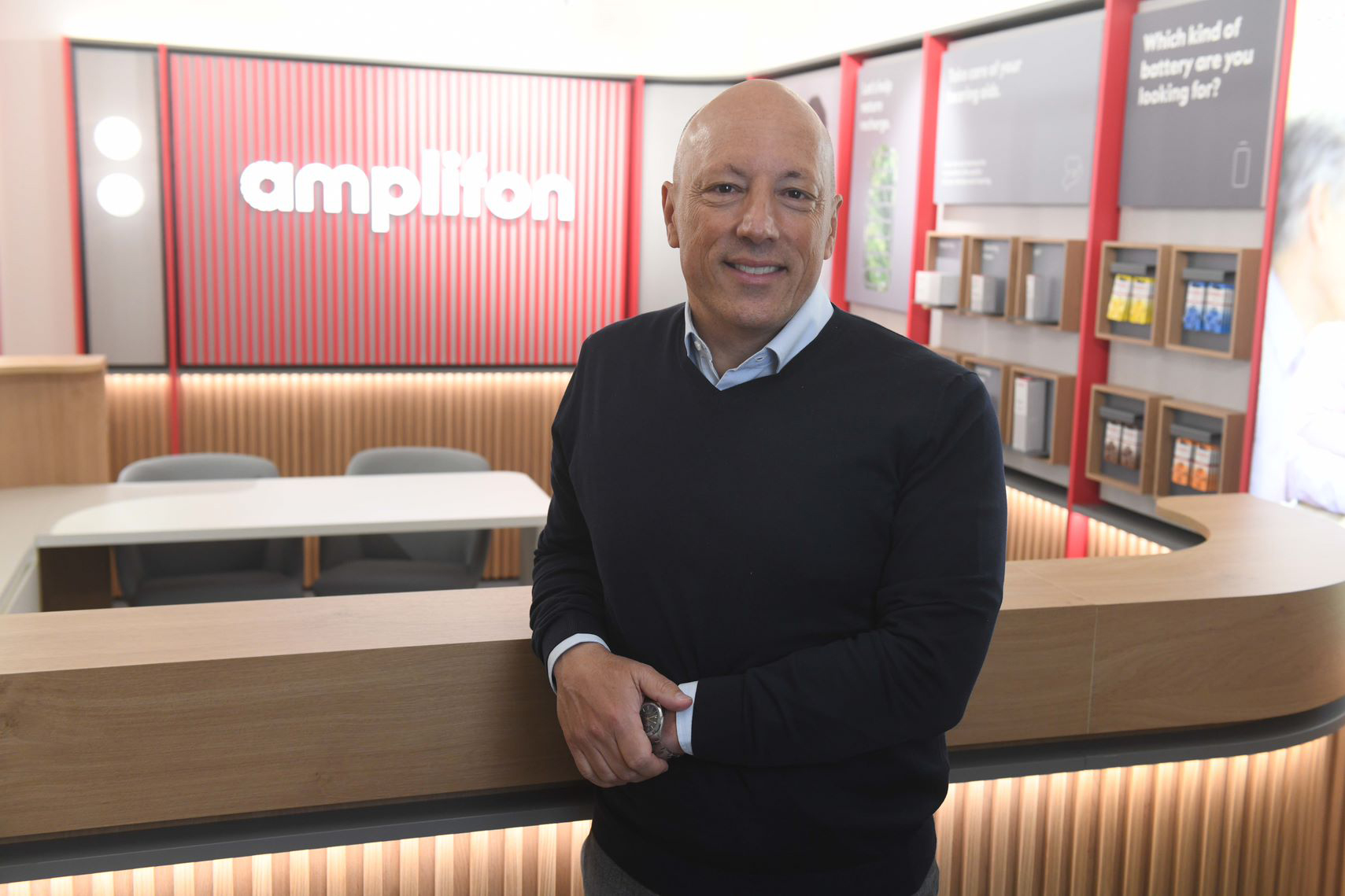
Enrico Vita

Enrico Vita: true leadership lies in people, curiosity, and courage

People, curiosity, and courage are three essential elements of a leadership journey that technology will never be able to replace”, Enrico Vita told the graduates, reminding them that while innovation and digital progress are reshaping industries, human qualities remain at the heart of lasting success. As CEO of Amplifon, a global leader in the retail sale of hearing care products, he has seen first-hand how the balance between people and technology is crucial for sustainable growth. In his speech, he encouraged the new graduates to embrace courage, especially in moments of difficulty, emphasizing that “every career has challenging times, and real growth happens outside our comfort zone”. Acknowledging the complexities of today’s world, marked by geopolitical instability, artificial intelligence, and the urgent push toward sustainability, Enrico Vita urged future business leaders to remain resilient and open-minded. “The world is changing faster than our certainties”, he said. “That’s why we must never stop being curious, learning, and challenging ourselves”. In closing, he redefined leadership not as a position of omniscience, but as an act of collaboration and trust. “Leadership doesn’t mean having all the answers he noted – It means knowing how to choose the right people and build strong teams, often by surrounding ourselves with those who are more skilled than we are”.

Enrico Vita: a career of leadership and global vision

Enrico Vita, Chief Executive Officer and General Manager of Amplifon since 2015, is an accomplished Italian engineer and business leader with a distinguished international career. After earning his degree in Mechanical Engineering from the University of Ancona in 1993, he began his professional journey in 1995 at Indesit Company (at that time Merloni Elettrodomestici), where he spent nearly two decades holding positions of increasing responsibility both in Italy and abroad. His career included key roles such as Plant Manager in Turkey, Director of Research and Development for the Cooling division, and later Group Supply Chain Officer. In 2007, he became Managing Director for the UK and Ireland commercial operations, and in 2010 returned to Italy as Chief Commercial Officer and subsequently Chief Operating Officer, overseeing all commercial, marketing, and after-sales activities. Enrico Vita joined Amplifon in 2014 as Executive Vice President for the EMEA region, before being promoted the following year to Chief Operating Officer, expanding his sphere of influence to all global regions (EMEA, Americas and APAC) and key corporate functions, including Marketing, IT and Supply Chain. Appointed Chief Executive Officer in October 2015, he has since led the company's international expansion and innovation strategy. Since 2018, he has also served as an independent member of the Board of Directors of Ariston Thermo S.p.A., a leader in sustainable solutions for thermal comfort.

Friday, November 7, 2025

Dunelm Group: omnichannel strategy and attractive valuation drive RBC's upgrade


RBC Capital Markets has issued an optimistic research note, revising its rating for Dunelm Group, a leading British retailer specializing in home furnishings and household goods listed in London. The brokerage upgraded its judgment on the company to Outperform and established a new target price of 1,300 pence, an increase from the previous 1,200 pence. This action stems from increased expectations for more robust revenue expansion, significant margin improvements, and a powerful cash flow generation capacity.

The market responded promptly, with the stock experiencing a noticeable rise of approximately four percent shortly after the announcement. According to RBC analysts, the valuation of Dunelm Group remains compelling. The stock is currently trading at approximately 13.5 times expected 2026 earnings per share (EPS), which is well below its historical average multiple of nearly 16 times. RBC views this discrepancy as a clear opportunity, particularly in light of the retailer's solid market standing and the proven efficiency of its operating model.

The research team identifies several core drivers underpinning the upgrade. These include sustained margin enhancements, continuous growth in market share, and the company's established commitment to returning capital to shareholders. For the fiscal year 2026, RBC forecasts positive financial trajectories: adjusted EPS is projected at 81.66 pence (a 5.9% year-on-year increase); revenues are expected to reach £1.86 billion (a 5.1% increase); profit before tax is anticipated at £223 million, up from the £211 million forecast for 2025.

Analysts also foresee a special dividend of 25 pence in February 2026, consistent with the group's policy of returning substantial liquidity—over £500 million in the past decade—to its investors. A key element supporting the positive outlook is the anticipated expansion of the gross margin by 50 to 100 basis points in the first nine months of the new financial year, partially aided by favorable currency exchange rates on imports. The company maintains a low capital expenditure model and is actively enhancing its omnichannel approach under the new CEO, Clodagh Moriarty, targeting a 10% share of the UK home living market.


Search...